


Hot Sale Batteries
Your Professional Hot Sale Batteries Manufacturer in China!
Shimastu Electronic Technology Co., Limited, a premier manufacturer of Sealed Lead Acid batteries&Lithium batteries, was established in 2001 and located in Zhongshan City, Guangdong Province, China.
Why Choose Us
Wide Product Range
Our main products cover AGM VRLA batteries, GEL batteries, OPzV/OPzS batteries, font terminal batteries, 2V long-life batteries, lead carbon batteries, lithium batteries, Car batteries, etc.
Quality Guaranteed
Shimastu strictly works on quality control of all production steps, ensuring all the products a reliable performance and high quality, and the company has been certified with ISO 9001, ISO 14001, UL and CE, etc.
Wide Applications
Shimastu has been exporting to worldwide clients serving in the energy storage and power backup industry such as UPS/EPS, solar power systems, security systems, emergency lighting systems, telecom systems, data centers, etc.
High Quality Service
We specialize in research and development, manufacturing, sales, and marketing of full categories of batteries. We are committed to providing a high level of customer service, and 24/7 customer support, so all your problems can be responded to quickly.
-
![UPS Power Supply Battery]() UPS Power Supply BatteryRead More
UPS Power Supply BatteryRead MoreUSB power supply battery is a special battery device used to provide power for devices that require continuous and stable power. When the main power supply (usually the utility power) fails or is
-
![OPzS 420 Battery]() OPzS 420 BatteryRead More
OPzS 420 BatteryRead More- Tubular positive plates with special low antimony lead alloy reduces loss of water (3-year topping-up intervals on fl oat condition). - Capacities exceed DIN nominal values. - Electrolyte: high
-
![OPzS 1000 Tubular Battery]() OPzS 1000 Tubular BatteryRead More
OPzS 1000 Tubular BatteryRead MoreShimastu OPzS 1000 Tubular Battery is a submerged lead-acid battery with tubular plate technology. Due to its special tubular structure, it is easy to move and operate, and is suitable for use in
-
![OPzV Tubular GEL Battery 2V1500AH]() OPzV Tubular GEL Battery 2V1500AHRead More
OPzV Tubular GEL Battery 2V1500AHRead MoreShimastu OPzV Tubular GEL Battery 2V1500AH is longest Gel Solid-State battery. By combining the newly developed tubular positive plates with fumed gelled electrolyte, the range offers 20 years design
-
![OPzV Batteries 2V420AH]() OPzV Batteries 2V420AHRead More
OPzV Batteries 2V420AHRead MoreShimastu OPzV Batteries 2V420AH state-of-the-art manufacturing facilities with wealthy experience ensure it's tubular OPzV gelled batteries reliable performance, safety, outstanding battery life and
-
![12V100AH Deep Cycle Battery]() 12V100AH Deep Cycle BatteryRead More
12V100AH Deep Cycle BatteryRead MoreShimastu 12V100AH Deep Cycle Battery are seeing more and more use in solar electric systems as their price comes down and as more people's preferences shift toward systems that are easy to maintain.
-
![SOLAR GEL BATTERY 12V200AH]() SOLAR GEL BATTERY 12V200AHRead More
SOLAR GEL BATTERY 12V200AHRead MoreShimastu SOLAR GEL BATTERY 12V200AH is a type of sealed lead-acid batteries, much like absorbed glass mat (AGM) batteries. Because they are sealed, gel batteries don't need their water levels checked
-
![12V120AH GEL BATTERY]() 12V120AH GEL BATTERYRead More
12V120AH GEL BATTERYRead MoreShimastu 12V120AH GEL BATTERY completely sealed and water-free maintenance, no acid gas and environment friendly. It has adopted colloid electrolyte technology, avoiding density stratification
-
![150AH GEL SOLAR BATTERY]() 150AH GEL SOLAR BATTERYRead More
150AH GEL SOLAR BATTERYRead MoreShimastu 150AH GEL BATTERY offer reliable cold cranking (starting power) and maximum power supply with a superior cycling performance. The robust construction ensures the battery will continue to
-
![Front Access Backup Batteries 12V150AH]() Front Access Backup Batteries 12V150AHRead More
Front Access Backup Batteries 12V150AHRead MoreShimastu Front Access Backup Batteries 12V150AH is designed for the service with high requirements. Since its grid is made of special multi-element alloy, the cell has a longer deep cycle life and
-
![Telecom Battery 12V180AH]() Telecom Battery 12V180AHRead More
Telecom Battery 12V180AHRead MoreShimastu Telecom Battery 12V180AH is front terminal valve regulated lead acid batteries, are the engineers choice for high power density applications. With the high demand for power within
-
![AGM VRLA Battery 12V7.2AH]() AGM VRLA Battery 12V7.2AHRead More
AGM VRLA Battery 12V7.2AHRead MoreShimastu AGM VRLA Battery 12V7.2AH are designed with AGM (Absorbent Glass Mat) technology, high performance plates and electrolyte to gain extra power output for common power backup system


Definition of Hot Sale Batteries
A battery is a device that converts chemical energy contained within its active materials directly into electric energy by means of an electrochemical oxidation-reduction (redox) reaction. This type of reaction involves the transfer of electrons from one material to another via an electric circuit. While the term battery is often used the cell is the actual electrochemical unit used to generate or store electric energy. In understanding the differences between a cell and a battery, one should think of a battery as one or more of these cells connected in series, or parallel, or both, depending on the desired output voltage and capacity.
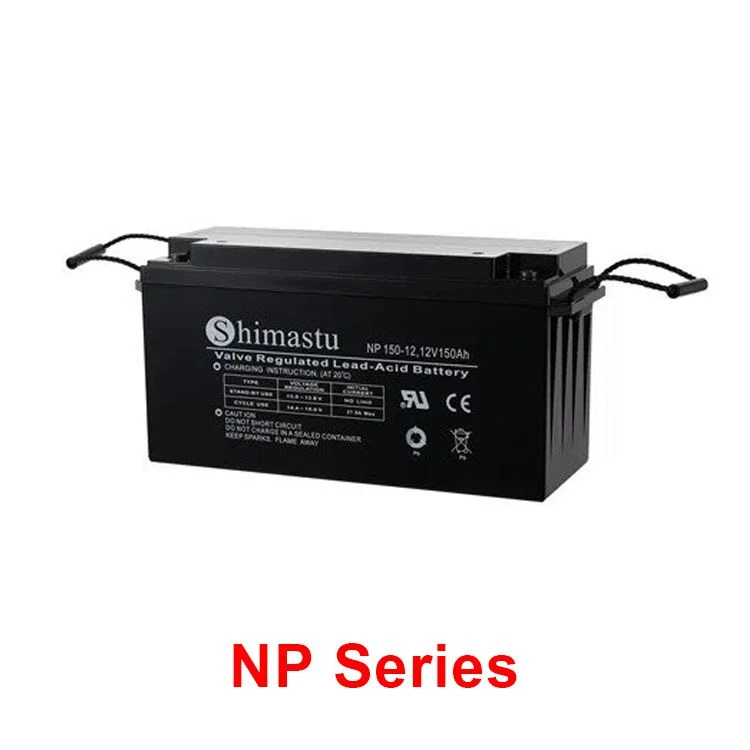
A battery works on the oxidation and reduction reaction of an electrolyte with metals. When two dissimilar metallic substances, called electrode, are placed in a diluted electrolyte, oxidation and reduction reaction take place in the electrodes respectively depending upon the electron affinity of the metal of the electrodes. As a result of the oxidation reaction, one electrode gets negatively charged called cathode and due to the reduction reaction, another electrode gets positively charged called anode.
The cathode forms the negative terminal whereas anode forms the positive terminal of a battery. To understand the basic principle of battery properly, first, we should have some basic concept of electrolytes and electrons affinity. Actually, when two dissimilar metals are immersed in an electrolyte, there will be a potential difference produced between these metals. This electrical potential difference or emf can be utilized as a source of voltage in any electronics or electrical circuit. This is a general and basic principle of battery and this is how a battery works.
Save Money
Batteries can save you money, reduce your dependence on the grid, and give you more control over your energy use. Battery systems may be stand-alone or may be connected to the main electricity grid. Batteries are usually either lithium ion, lead-acid, or flow (zinc bromide or vanadium).
Reliable
Furthermore, batteries offer a reliable and consistent source of power. With advancements in battery technology, modern batteries can store and deliver energy efficiently, ensuring a steady supply of power for various applications. This reliability is particularly crucial in critical sectors such as healthcare, where battery-powered medical devices and equipment can save lives during emergencies or power outages.
Store Energy
Another advantage of batteries is their ability to store energy from renewable sources. As the world shifts towards cleaner and more sustainable energy solutions, batteries play a vital role in storing excess energy generated from renewable sources like solar and wind. This stored energy can then be used during periods of low generation or high demand, ensuring a more stable and reliable power supply.
Environmentally Friendly
Moreover, batteries contribute to reducing greenhouse gas emissions and combating climate change. By enabling the widespread adoption of electric vehicles, batteries help reduce reliance on fossil fuels and promote cleaner transportation alternatives. Additionally, batteries facilitate the integration of renewable energy sources into the grid, reducing the need for polluting fossil fuel power plants.
Classification of Hot Sale Batteries
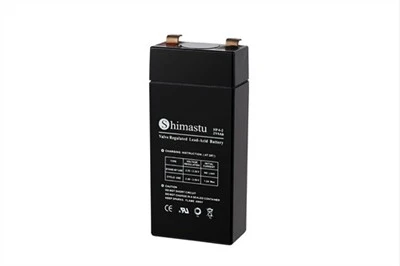
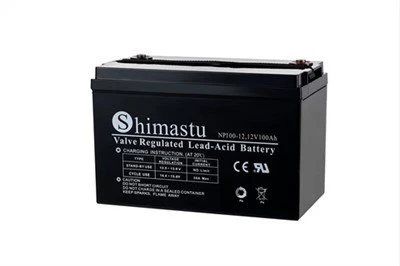
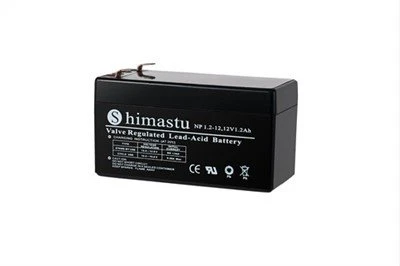
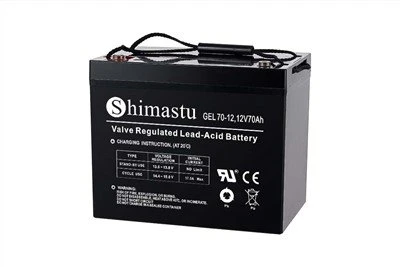
Lithium Ion Battery
The most popular grid-connected battery chemistry in recent years has been lithium ion. This is the same type of battery as in your phone or laptop. There are different types of lithium chemistry; common types are nickel-manganese-cobalt (NMC) or iron phosphate (LiFePO/LFP). LFP batteries are safer but less efficient than NMC batteries. Lithium batteries are popular because they.
Lead Acid Battery
Lead-acid batteries are like the ones in a conventional car. They are cheaper than lithium ion batteries but bulky and less flexible, with a slow charge cycle and sensitivity to high temperatures. Sometimes these batteries can be coupled with a supercapacitor for a faster charge cycle. This technology is often used in backup power supplies, which cycle batteries only occasionally. It is also still used in stand-alone (off-grid) power systems, although lithium ion batteries are taking over this role as their lifetime performance becomes better understood. Lead-acid batteries may be wet cell (vented) or sealed (valve-regulated). Wet cell batteries use liquid electrolyte; sealed batteries use either a gel or liquid electrolyte absorbed into fibreglass matt. Wet batteries are typical for renewable energy systems, but sealed batteries are becoming more common because they are safer and easier to maintain.
Gel Battery
Gel batteries are batteries that use a gel-like electrolyte. The gel-like electrolyte is obtained by mixing sulphuric acid with silica to allow it to stiffen and become more viscous than liquid. Gel batteries are adequately designed to solve some problems you would encounter while using the popular wet lead-acid batteries. Although gel batteries share a lot of similarities with lead-acid batteries in terms of design and working principles, they differ in their components. While a lead acid battery uses a liquid electrolyte solution, a gel battery uses a more viscous electrolyte. The electrolyte consists of sulphuric acid mixed with silica as its hardener. Because silica gives the solution a gel-like feel, solar gel batteries do not emit as many fumes as traditional batteries. The solar gel battery is also very light and stable.
Electric Vehicle Batteries
Some electric vehicle makers are looking at making their car charging devices ‘bi-directional’ or ‘vehicle-to-grid’ capable. This means that energy stored in the car’s battery can be used in the home or sent to the grid. This opens the possibility of charging a car from a solar PV system during the day or from the grid overnight when electricity costs are low. The stored energy in the car battery can then be used to power the house. Before considering this option, check the technology is proven and that it will not have hidden costs (for example, electric vehicle batteries that are charged and discharged more often will not last as long).
Applications of Hot Sale Batteries
Battery Use in Home
We depend on batteries for several gadgets that we use in our house. Devices like remote controls and torches are powered by disposable batteries. Mobile phones, handheld video game consoles, digital cameras, and many other devices use rechargeable batteries, such as alkaline batteries. Appliances that consume too much power, such as laptops and other devices, are powered by advanced batteries like lithium batteries.
Batteries Uses in Military Operations
The batteries which offer both high energy and power density are widely used in military operations. Batteries are used in radios which are used to communicate. Even infrared goggles and different field devices are powered by batteries. Lithium batteries provide a much longer life to devices, and silver oxide batteries are used in missiles and submarines.
Battery Use in Medical Sector
Batteries are used in the medical sector to a great extent. ECG heart monitor is connected to a battery so that it can be moved with the patient and is always ON for showing the patient’s vitals. Rechargeable batteries like lithium-ion and nickel-cadmium batteries are frequently utilised in hospitals.
Battery Use in Firefighting and Emergency Response
Batteries are used in radios, which are crucial for emergency response. Large batteries are required for these radios to store large charges. Batteries are used in ECGs, flashlights, and even metal and fire detectors. These tools save lives daily.
Battery Use in Health Instruments
There are multiple uses of batteries in different health instruments. Artificial limbs, insulin pumps, hearing aids, and valve assistance devices are some instruments that use batteries to function. Mercury batteries are useful for photographic light metres and electronic devices such as real-time clocks in appliances.
Battery Use in Vehicle
In vehicles, electric-vehicle batteries (EVs) are frequently used. The electric motors of electric vehicles are powered by this battery. Electric vehicle batteries are commonly rechargeable. Electric vehicles typically employ lithium-ion batteries.
Components of Hot Sale Batteries
Battery Separator
A battery separator is usually a porous membrane placed between the negative and positive electrodes to keep the electrodes apart to prevent electrical short circuits.8 They should be very good electronic insulators and at the same time allow the rapid transport of ions that are needed to complete the circuit during the discharge and/or charge of the battery. The ion transport can be achieved through inherent ionic conductivity or by impregnating the separator with electrolyte. As batteries have advanced, the function of separators has become more complex and demanding. The characteristics of each available separator must be evaluated against the requirements of the battery system when selecting a separator.
Battery Electrolyte
It is an electron-insulating and ion-conductive layer, either liquid or solid, interposed between the negative and positive electrodes. Electrolytes are often thought of as liquids, such as water or other solvents, with dissolved salts, acids or alkalis. However, many batteries, including the conventional (AA/AAA/D) batteries, contain solid electrolytes that act as ionic conductors at room temperature. Although the specific characteristics of electrolytes can vary across different types of batteries, their fundamental role remains the same.
Anode
The anode is the negative electrode of the battery associated with oxidative chemical reactions that release electrons into the external circuit. Li–ion batteries commonly use graphite, a form of carbon (C) as the anode material. Graphite has a layered structure, allowing lithium ions to be inserted into the layers during charging and extracted during discharge. However, the nature of the chemical interaction with lithium leads to low energy density. Silicon is an alternative to graphite due to its higher theoretical capacity for lithium ions. However, silicon experiences significant volume expansion and contraction during charging and discharging respectively, which causes mechanical stress and results in electrode degradation and battery failure.
Cathode
The cathode is the positive electrode of a cell, associated with reductive chemical reactions. Li–ion batteries employ various cathode materials, including lithium cobalt oxide (LCO), lithium iron phosphate (LFP) and lithium nickel manganese cobalt oxide (NMC). These cathode materials can reversibly accept and eject lithium ions into and from out of their crystal structure during charge and discharge cycles. NiMH batteries typically feature a nickel oxyhydroxide (NiOOH) cathode material. The cathode absorbs hydroxide ions during charging and releases them during discharge.
Current Collectors
Current collectors are typically metallic foils or conductive materials that collect and distribute the electrical current generated during battery operation. They are in direct contact with their respective electrodes and are usually made from copper and aluminum due to their high electrical conductivity. Current collectors sometimes act as terminals for the external connection of the individual cells of the battery, allowing electrical current to flow to and from the battery.
Maintenance Tips for Hot Sale Batteries
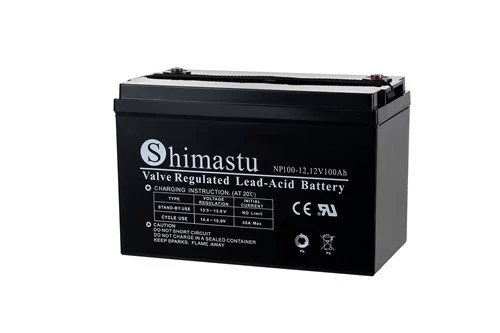
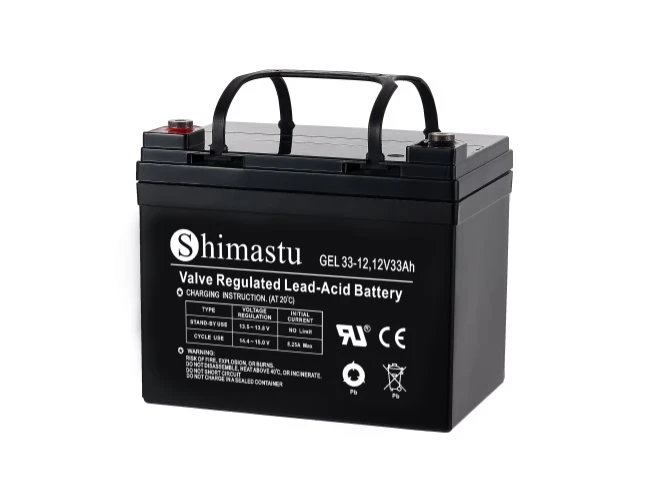
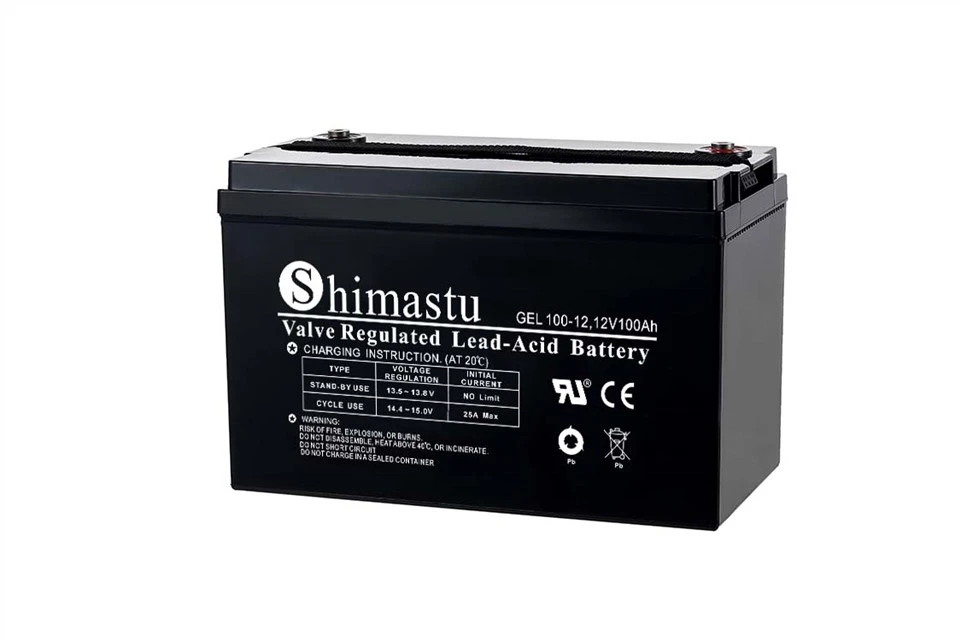
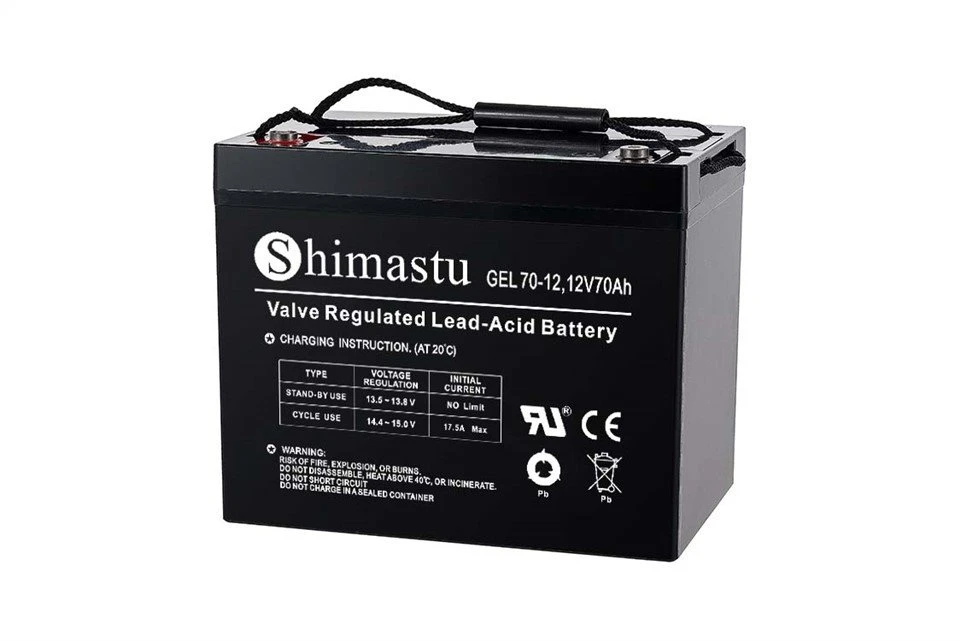
- Check the battery's state of charge. Most batteries have a State of Charge Indicator on top of the battery that will give you an on the spot diagnosis of the battery condition. However, a more reliable way to check is with a voltmeter to determine the stabilised voltage or if the vent caps are removable a hydrometer to determine the specific gravity (SG) of the electrolyte.
- Ensure the battery top is clean, dry, free of dirt and grime. A dirty battery can discharge across the grime on top of the battery casing.
- Inspect the terminals, screws, clamps and cables for breakage, damage or loose connections. These should be clean, tight and free of corrosion.
- Apply a thin coating of high temperature grease to posts and cable connections for added protection.
- Inspect the battery case for obvious signs of physical damage or warpage. This usually indicates the battery has been overheated or has been overcharged.
- If you have a maintainable battery, it is important to check if the battery has sufficient electrolyte covering the battery plates. If topping up is required, do not over fill as the fluid levels will rise when the battery is fully charged and may overflow. Top up using distilled or demineralised water and never fill with sulphuric acid.
- When servicing a sealed maintenance free (SMF) battery, check the State of Charge Indicator. This gives you a snap shot of the battery's condition and whether the battery needs to be charged or replaced. The vehicle may still start the engine although the indicator outlines to replace the battery. If the State of Charge Indicator advises 'Replace Battery' it is important that the battery is replaced as the electrolyte levels may be below the plates which can lead to an internal explosion.
- For batteries used in seasonal applications and stored long term, fully recharge the battery prior to storing. Check the state of charge or voltage regularly. Should the voltage drop below 12.5V, recharge the battery. It is important to check the battery completely before reconnecting to electrical devices.
How to Choose Hot Sale Batteries
Batteries have a few key specifications. Choosing the right battery for your needs will mostly depend on how much energy you consume and when you consume it, whether you want backup during a power outage, and the size of your solar PV system (if you have one). Some key specifications that are important to understand are capacity, depth of discharge, efficiency, life cycle, and electrical connection.
Capacity
The capacity (or size) of a battery is how much energy it can store, usually measured in kilowatt-hours (kWh). The nominal capacity is the total amount of energy the battery can hold; the usable capacity is how much of that can actually be used after the depth of discharge is factored in. Some batteries are designed to be modular, so you can increase your storage by adding more units.
Depth of Discharge
The ‘depth of discharge’ (DoD) of your battery is the amount of usable energy. It is expressed as a percentage of the total capacity. Lithium batteries often have a DoD of 90–95%, compared with lead-acid batteries that have a DoD of 30–60%. Flow batteries can use their complete capacity (100% DoD).
Efficiency
A battery’s efficiency is how much energy the battery will actually store and put out again. ‘Round trip efficiency’ is the efficiency of the battery including the inverter.
Life Cycles
The lifecycles of a battery are the total number of charge–discharge cycles it can perform throughout its life.
Certifications
Our batteries have been certified with ISO 9001, ISO 14001, UL and CE, etc.


Our Factory
Frequently Asked Questions (FAQ) about Hot Sale Batteries
Q: Why are batteries useful?
Q: What is battery capacity?
Q: How long do batteries last?
Q: How to store batteries?
Q: Where to dispose of batteries?
Q: What are batteries made of and what are the main battery components?
Q: How long will it take before my battery is discharged?
Q: Can I keep my batteries connected during winter?
Q: How should I maintain gel, AGM and Lithium Ion batteries?
Q: What is kWh in a battery?
Q: What is the C rating of a battery?
Q: How much does a car battery weigh?
Q: Why is my battery discharging by itself?
Q: How to charge a deep-cycle battery properly?
Q: Can you fully discharge a battery?
Q: What causes battery corrosion?
Q: How to tell positive and negative on a car battery?
Q: Do batteries expire?
Q: Is it safe to use expired battery?
Q: How to charge an SLA battery?
We're professional hot sale batteries manufacturers and suppliers in China, specialized in providing high quality custom service. We warmly welcome you to wholesale high-grade hot sale batteries made in China here from our factory. For price consultation, contact us.
75 amp hour deep cycle battery, gel battery for electric scooter, use of uninterruptible power